Ouch!
Another injury, (insert your favorite curse word). This is so *bleeping* frustrating. I’ve already added several dollars to my anti-cursing fund!
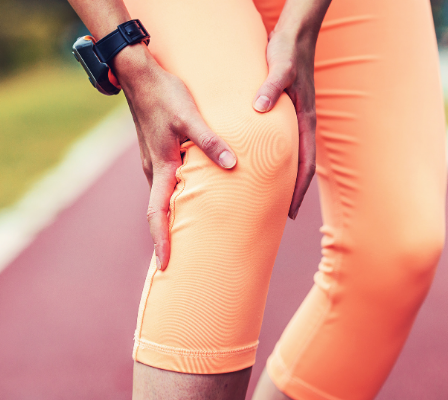
This injury – an ankle strain – was caused by new shoes combined with overuse and tight muscles. My stride this morning is with a distinct limp and running is downright painful. With a full hip replacement in 2011 and another in 2016, injury to rehab to recovery is a very well-known path for me. Yet, it is still incredibly annoying!
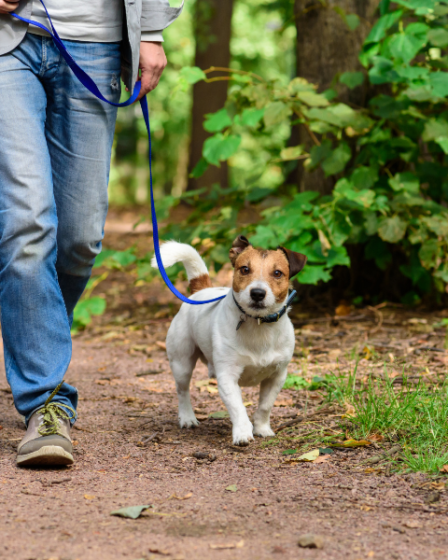
Injuries are a part of any sport and are to some extent, unavoidable. We can work to minimize them, but at some point in agility you will have to deal with an injury to yourself or to your dog. I workout daily, and do my best to strength train for more speed and mobility. My dogs, whose bodies are asked for much more than I am on every course, have a chiropractor, a physical therapist and a full fitness plan. Evenings after hard agility workouts or long trail hikes are spent massaging and lasering them, but injuries can still happen.
They are not necessarily mistakes; sometimes it is just something unforeseeable or silly like falling through a snowbank… which is how I lost a full weekend of trialing with Zabu last month (my anti-cursing fund got a lot of, uh, “donations” that morning too!) Accepting injuries as part of the game and adjusting your goals is a necessary skill. And like all skills, effectively processing and recovering from setbacks can be learned.
The Acceptance Process
If you are reading this blog post, agility is a big part of your life, whether that is as a hobby or as a career. Being injured may be much more than just a physical setback. It may have financial implications, and it absolutely can affect your mental health. You may have to skip agility class, miss trials or toss out a major goal. Minor injuries can create a severe loss; major injuries or surgeries can be traumatic.
And, as such, agility athletes need to handle injuries like grief. Whether you’re the one with an ouch or your dog is sidelined, your very first step in recovery is letting yourself experience the five stages – denial, anger, bargaining, depression and acceptance. You will go through all these stages, so recognizing and experiencing each one will get you to acceptance faster and with less collateral damage. Own the process.
My ankle injury is hard to deny since it truly hurt to walk. With lots of past and recent practice in dealing with injuries, I moved through being angry quickly, but I spent a whole day bargaining! I tossed out the shoes and ran five more runs in socks with an adjusted stride to minimize more injury to the ankle… this didn’t work, of course.
I was just hoping I could walk it off in between runs at the current trial, while slowly realizing I was going to have to skip the next. Spending a day limping around did help me move past depression fairly quickly (again – sigh – lots of practice at this). So, I hit acceptance with only a bit of extra damage, which was limited to the ankle and not my temper impacting relationships.
There are key points in the acceptance process that are important.
– This is Not Your Fault.
Many injuries happen due to unforeseen circumstances or are hard to detect until cumulative stress takes a toll. Hindsight is great for future prevention plans, but don’t punish yourself. The what-if’s and self-blaming thoughts can be hard to escape. This is particularly true when the injury is to your dog. All of us hurt when it’s our pup that’s injured. Let go of the blame and shame.
– Stay positive.
Few injuries are life threatening or career ending. There is always a future. Sure we may have to take some time off or change how we play the game. But, you can find a way to make next week as fun as last week. Keep capturing and redirecting the ANTS – automatic negative thoughts. Mind your thoughts and challenge yourself to stay positive. Negativity leads to inaction and you’ve already got enough of that! Positivity leads to action, and even small steps are critical for recovery
– Live in the present.
It’s so easy to slip into the past or project the future, but you need to stay grounded in acceptance. The past is gone and the future is often unknown when dealing with recovery. A good way to stay grounded is to ask yourself, “What can I do right now to help the situation?” This question will guide you to an action that is present and positive.
Adjust Your Goals
Goal setting is a superb skill and it will serve you well when dealing with injuries. The bottom line is that injuries often require effort and time to heal. Having a solid, new plan offers lots of advantages.
Start your goal adjustment process by recording the injury details. An outline of what happened and when will give you perspective. This will also help you prevent re-injury. With a bit of distance, you may also be able to identify a cause or contributing factors. With my ankle injury, I realized it had started the week before, and though it didn’t hurt then, it was definitely cumulative and shoe related. This is also the point where you may need more information on the injury and the recovery process. Seek information from qualified professionals. Knowledge is powerful!
Next you have to review your existing goals – short term and, perhaps, long term too. Be realistic. Injuries take time to heal and this is a good time to be conservative rather than aggressive. This is where a professional can help most as they have the experience to give you real timelines.
As you modify your goal, which might be just a couple missed practice sessions all the way to full season lost, build in a few contingencies. Think in terms of “if this, then that”, for us this looks is like flowchart rather than a linear progression. Planning for how you will handle a variety of barriers and possibilities will help keep you grounded.
Write down your revised or new plan. This is where you regain a sense of control. Injuries are unexpected and it is often the loss of control (the immersion into the unknown) that is most distressing. We frequently feel better by simply having an action plan, which might be making doctor/vet appointments, scheduling a series of physical therapy sessions, or just talking to your trainer about some modified exercises or drills to do for the short term.
This is where possibilities appear! In my case, a bum ankle means no running. So, we’ll be doing start line drills, weave entries and distance tunnel sends to stay on top of training goals. Running dog walk drills is postponed to next week, but Zabu and I are still training and making progress. In the past, I’ve had to find possibilities outside of agility training. Hip replacements didn’t allow for as much flexibility, but I could still study courses, learn about dog training or work on my mental game! By redirecting my efforts and energies, I can benefit from other types of training during my recovery process. Grief moved to acceptance, and now, I’m back to happy!